The Lifecycle of Player Incentives: Tracing How Retention Tools Shape Long-Term Activity in Regulated Mobile Platforms
Leon Ludwig · Aug 21, 2026
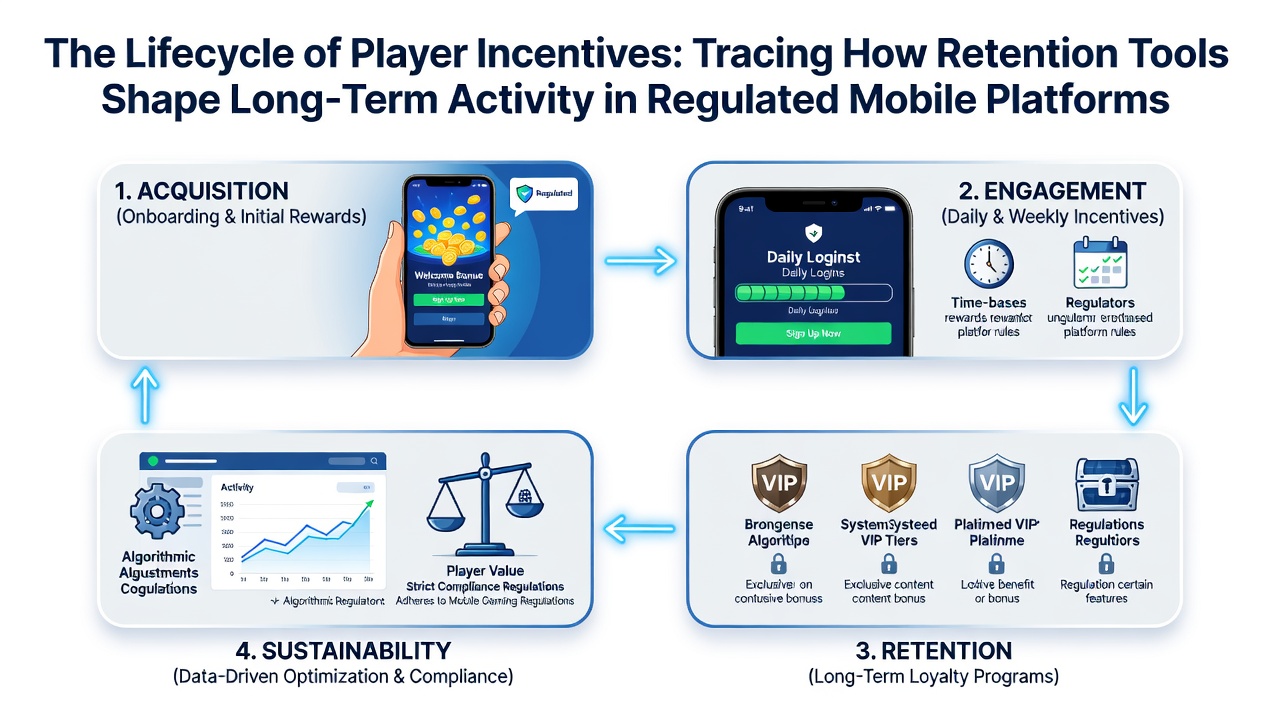
The Lifecycle of Player Incentives: Tracing How Retention Tools Shape Long-Term Activity in Regulated Mobile Platforms
Regulated mobile platforms operate under strict licensing frameworks that require transparent management of player incentives, and these systems follow a defined lifecycle from initial acquisition through sustained engagement and eventual loyalty maintenance, while data from multiple jurisdictions shows how specific tools influence activity patterns over months and years.
Acquisition Phase and Initial Incentive Structures
Mobile operators in regulated markets deploy welcome packages and first-deposit matches to draw new users into applications, and these offers typically combine free credits with wagering requirements that align with local compliance standards, whereas regulatory bodies such as the Malta Gaming Authority track how such tools affect early deposit behavior across thousands of accounts.
Research from the American Gaming Association indicates that platforms using tiered welcome incentives record higher initial session counts compared to those relying solely on generic promotions, and operators adjust these structures quarterly based on performance metrics collected through app analytics.
Activation and Early Retention Tools
Once accounts become active, operators introduce daily login rewards and streak bonuses that encourage repeated short sessions, and these mechanisms often integrate with push notifications timed to user time zones, while data collected in August 2026 across North American and European markets revealed that personalized streak incentives increased seven-day return rates by measurable margins in compliant environments.
Those who study mobile gaming platforms note that activation tools frequently incorporate limited-time missions tied to game categories, and such features help bridge the gap between first deposit and habitual play without violating responsible gaming limits enforced by regional authorities.
Mid-Cycle Engagement and Personalization
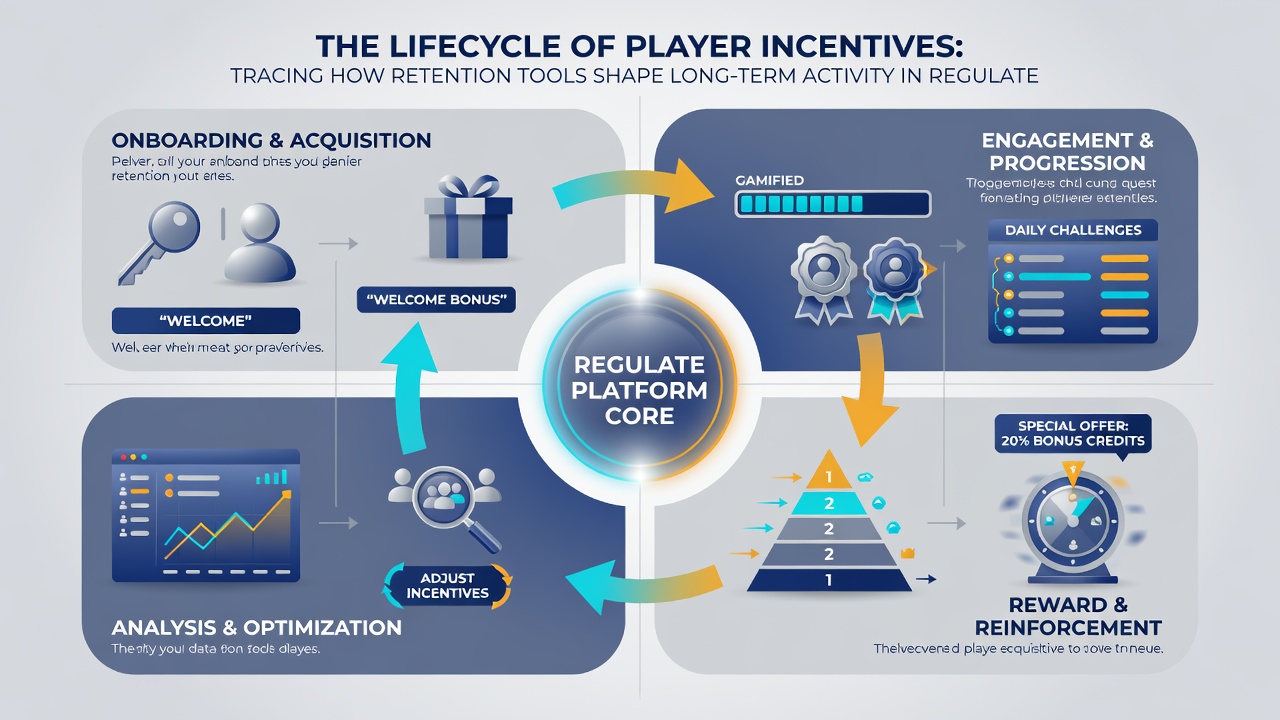
After the first month, retention strategies shift toward segmented offers that reflect individual play histories, and machine learning models within compliant platforms generate tailored reload bonuses or cashback percentages that scale with volume, whereas industry reports from the Canadian Gaming Association highlight how these adjustments correlate with extended account lifespans in provincially licensed applications.
Operators monitor churn signals through session frequency and deposit consistency, then deploy targeted interventions such as free spin packages on preferred titles, and this approach allows platforms to maintain activity levels while adhering to advertising and bonus disclosure rules that differ across jurisdictions.
Loyalty Programs and Long-Term Activity Patterns
Established users enter loyalty tiers that unlock escalating benefits including exclusive events and higher withdrawal limits, and these programs operate on points accumulated from wagers rather than deposits alone, while evidence from Australian regulatory reviews shows sustained participation among players who reach mid-tier status within regulated mobile environments.
Long-term tracking reveals that incentives evolve from volume-based rewards to recognition elements such as birthday bonuses and anniversary credits, and platforms integrate these with self-exclusion tools to support balanced activity without external mandates, and figures released by the Victorian Commission for Gambling and Liquor Regulation demonstrate steady retention curves when loyalty structures remain transparent and capped.
Regulatory Oversight and Data-Driven Adjustments
Regulators in multiple regions require operators to submit regular reports on incentive performance and player outcomes, and this oversight drives iterative changes to reward caps and eligibility criteria, whereas academic studies from institutions tracking digital gambling patterns confirm that well-calibrated tools can extend average account duration without increasing risk exposure.
Platforms must balance commercial goals with compliance obligations, so incentive lifecycles incorporate review gates at 30, 90, and 180 days, and such checkpoints allow teams to refine offers based on aggregated behavioral data while maintaining audit trails demanded by licensing conditions.
Conclusion
The lifecycle of player incentives in regulated mobile platforms follows a progression from acquisition-focused offers through personalized engagement and loyalty maintenance, and data collected across international markets shows consistent patterns in how these tools influence session frequency and account longevity when implemented under established oversight frameworks.