Patterns in Promotional Reward Allocation Across Licensed Smartphone Gambling Platforms in Britain
Sofia Schulz · Nov 6, 2026
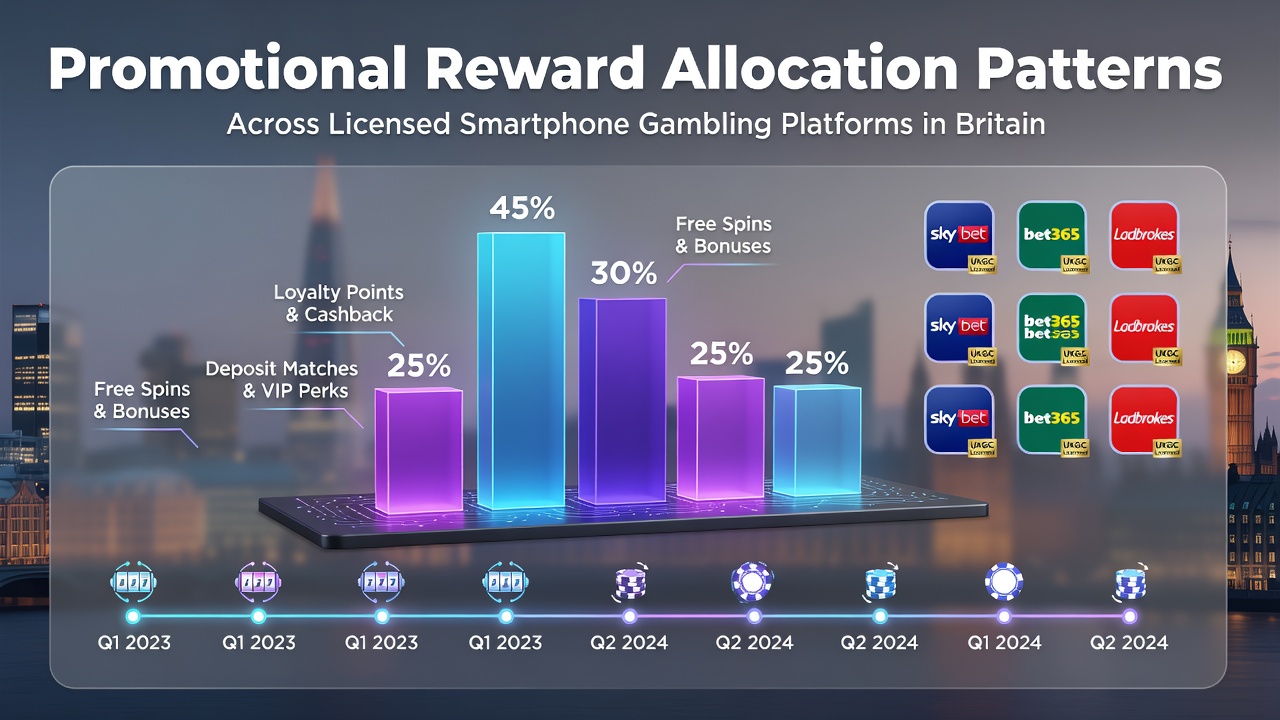
Patterns in Promotional Reward Allocation Across Licensed Smartphone Gambling Platforms in Britain
Promotional rewards on licensed smartphone gambling platforms in Britain follow distinct allocation patterns that reflect player acquisition goals, retention priorities, and regulatory boundaries set by authorities outside the primary oversight body. Data from multiple industry analyses show welcome bonuses and initial deposit matches often receive the largest share of promotional budgets, while reload offers and loyalty points distribute more evenly across ongoing sessions. Observers note these patterns hold steady across major mobile operators, with variations tied to device usage trends and seasonal campaigns.
Types of Rewards and Their Distribution
Free spins dominate early-stage allocations on many platforms because they require minimal financial commitment from new accounts yet encourage immediate engagement. Cashback structures appear more frequently in later phases, where operators adjust percentages based on cumulative wagering volumes tracked through app analytics. Deposit bonuses typically cap at fixed amounts that scale with player history, and research from the European Gaming and Betting Association indicates these caps tighten during high-traffic periods such as late-year promotions. Loyalty tiers reward consistent mobile logins with escalating point multipliers, creating a layered system that favors repeat users over one-time visitors.
Allocation Patterns by Player Segments
High-volume players on smartphone platforms receive targeted reload incentives and personalized cashback rates that exceed standard offers, according to aggregated data sets compiled by platform operators. New accounts instead encounter front-loaded welcome packages that emphasize free spins and matched deposits, patterns confirmed in studies tracking user behavior across multiple licensed apps. Mid-tier users often see a mix of both approaches, with reload bonuses triggered after specific session counts rather than total spend. Figures released in November 2026 from cross-regional monitoring projects reveal that mobile-specific rewards emphasize shorter expiry windows compared with desktop equivalents, a distinction that channels activity toward app-based play.
Geographic and demographic breakdowns further shape these allocations. Platforms adjust free spin quantities based on regional player density within Britain, while cashback percentages sometimes vary by age group when operators apply predictive modeling to historical data. One analysis from the University of Sydney's gambling research unit linked higher reload bonus uptake among users aged 25 to 34 with increased session frequency on portable devices. These findings align with broader European trends where operators refine reward timing to coincide with pay cycles and sporting events.
Smartphone Platform Specifics and Timing
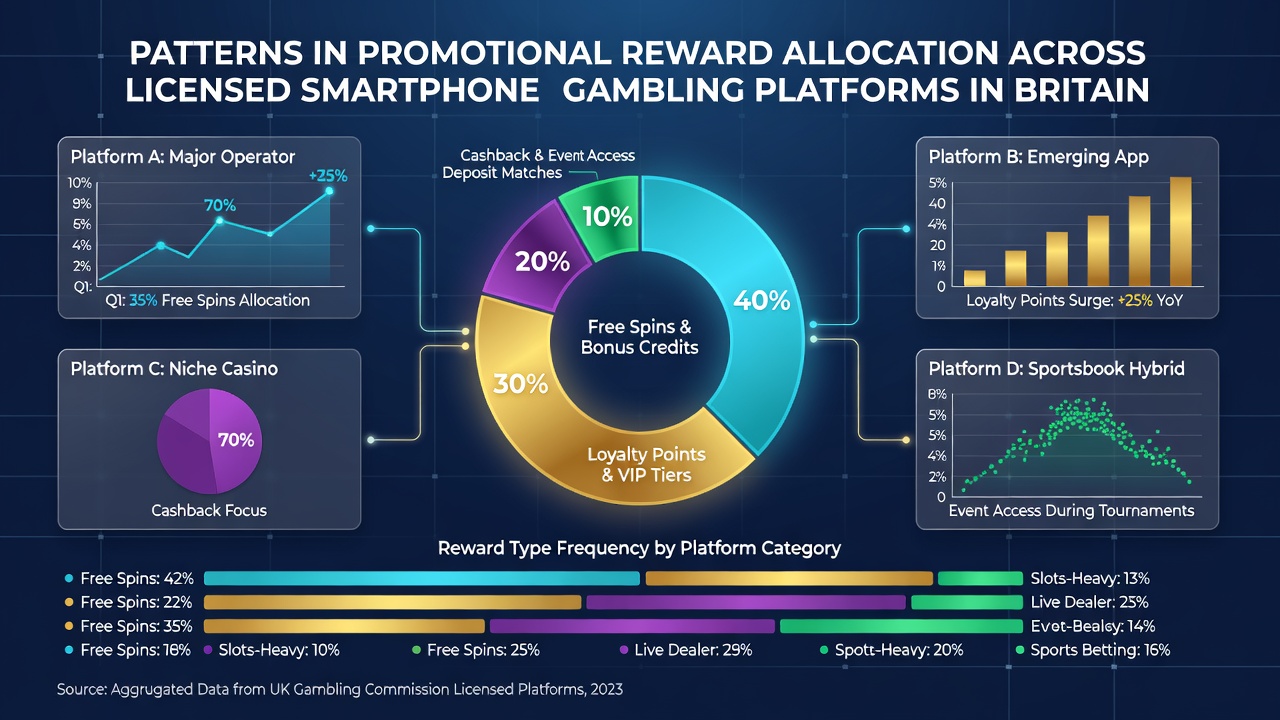
Mobile interfaces allow real-time reward notifications that desktop versions rarely match, and operators exploit push alerts to deliver time-sensitive offers such as instant free spins after deposits. Allocation data shows these alerts correlate with higher redemption rates when sent during evening hours, a pattern consistent across several British-licensed operators. Platform algorithms also prioritize reload bonuses for users who have paused activity for more than seven days, using app telemetry to trigger offers before players migrate elsewhere. Such mechanisms create measurable differences in reward distribution compared with non-mobile channels.
Seasonal spikes appear in November, when platforms increase overall promotional budgets ahead of year-end holidays. Industry reports document a shift toward cashback structures during these months because they encourage sustained play rather than single deposits. External data from the National Council on Problem Gambling highlights parallel movements in incentive design across regulated markets, where mobile platforms test lower-value but higher-frequency rewards to maintain engagement without inflating single-session risk exposure.
Regulatory and Market Influences
Licensing conditions require clear disclosure of reward terms, which influences how operators structure expiry dates and wagering requirements on smartphone apps. Patterns emerge where shorter validity periods accompany higher-value offers, a practice that keeps redemption rates within acceptable compliance thresholds. Trade association data from the European sector indicate that platforms balance these constraints by expanding loyalty point systems, which operate outside direct monetary reward caps yet still drive retention. Observers tracking November 2026 activity noted an uptick in combined free spin and cashback packages, a hybrid approach that spreads allocation risk across multiple reward categories.
Conclusion
Patterns in promotional reward allocation on Britain's licensed smartphone gambling platforms reveal consistent priorities around acquisition through front-loaded offers, retention via tiered loyalty mechanics, and seasonal adjustments that respond to usage data. These structures operate within frameworks established by multiple regulatory and research bodies, producing measurable differences in how rewards reach distinct player segments. Continued monitoring of allocation trends will likely focus on mobile-specific delivery methods and their effects on long-term activity levels across the regulated market.