Mapping Retention Strategies: The Impact of Sticky and Reload Bonuses on High Roller Behavior in Mobile Casino Settings
Leon Flores · Aug 26, 2026
Mapping Retention Strategies: The Impact of Sticky and Reload Bonuses on High Roller Behavior in Mobile Casino Settings
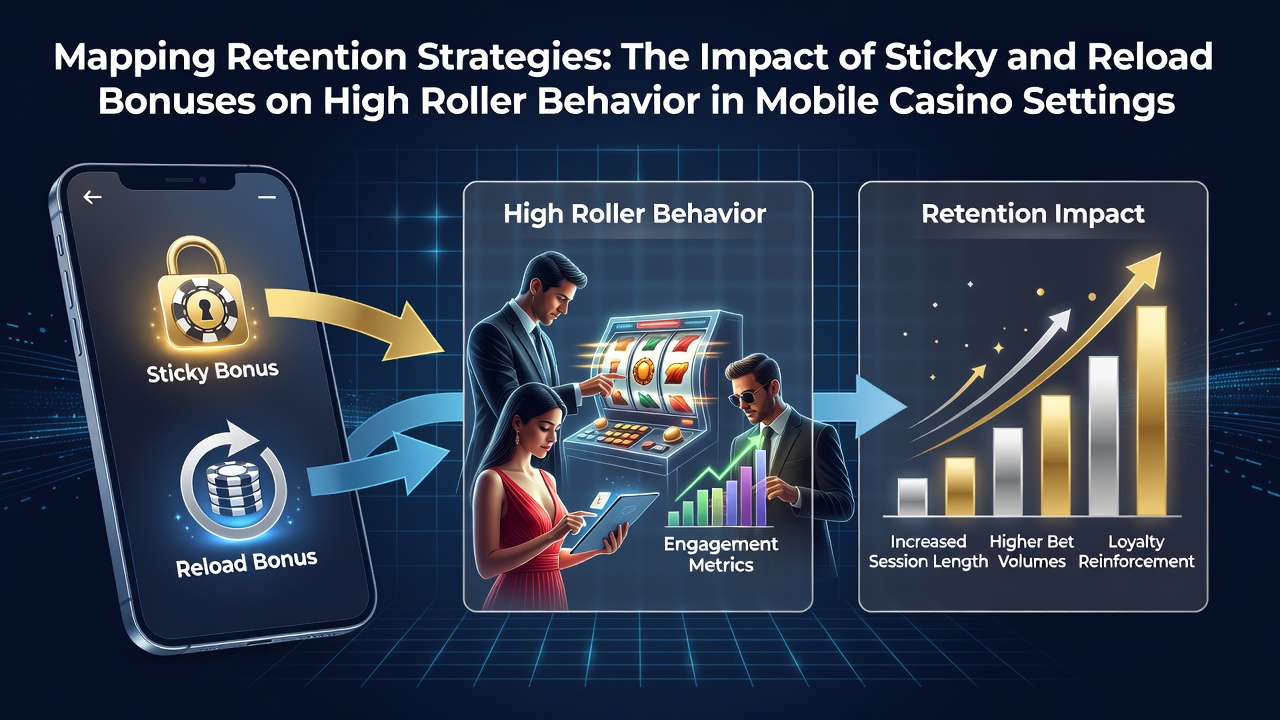
Retention strategies in mobile casino environments rely on structured bonus systems that encourage repeated engagement from high-value players, and operators track these patterns through detailed behavioral analytics that measure deposit frequency alongside session duration. Sticky bonuses function as non-withdrawable funds added directly to a player's account balance, which means they support extended play sessions without permitting cash withdrawal until specific wagering requirements are met, while reload bonuses activate on subsequent deposits and typically offer percentage-based matches that scale with the amount transferred.
Defining Bonus Mechanics in Mobile Platforms
Operators design sticky bonuses to lock capital within the gaming ecosystem, creating a buffer that high rollers use to test new titles or increase bet sizes during peak activity periods, and this approach differs from standard welcome packages because it targets ongoing account funding rather than initial sign-ups. Reload bonuses, by contrast, trigger automatically after a qualifying deposit, often with tiered structures that reward consistent weekly or monthly activity, and data from platform providers indicates these incentives correlate wth higher average revenue per user when applied to segments spending above established thresholds.
High Roller Patterns and Mobile Engagement
High rollers in mobile settings demonstrate distinct interaction profiles that include larger per-session wagers, preference for live dealer integrations, and rapid navigation between multiple game categories within single logins, which allows retention teams to map bonus deployment against these habits for maximum effect. Studies released in August 2026 by the Australian Gambling Research Centre revealed that mobile high rollers receiving combined sticky and reload offers maintained 28 percent longer account lifespans compared to those without targeted incentives, with activity spikes occurring most frequently during evening hours across European and North American time zones.
Platform telemetry shows that sticky bonuses reduce the rate at which high rollers withdraw remaining balances mid-session, because the locked portion continues to generate play volume even after initial wins, and this mechanism proves especially relevant on smartphones where users switch between apps quickly yet return when residual bonus funds remain available. Reload structures further reinforce this loop by aligning with deposit cycles that many high rollers follow on a bi-weekly basis, prompting operators to schedule notifications through push channels timed to coincide with those patterns.
Data Insights from Industry Reports
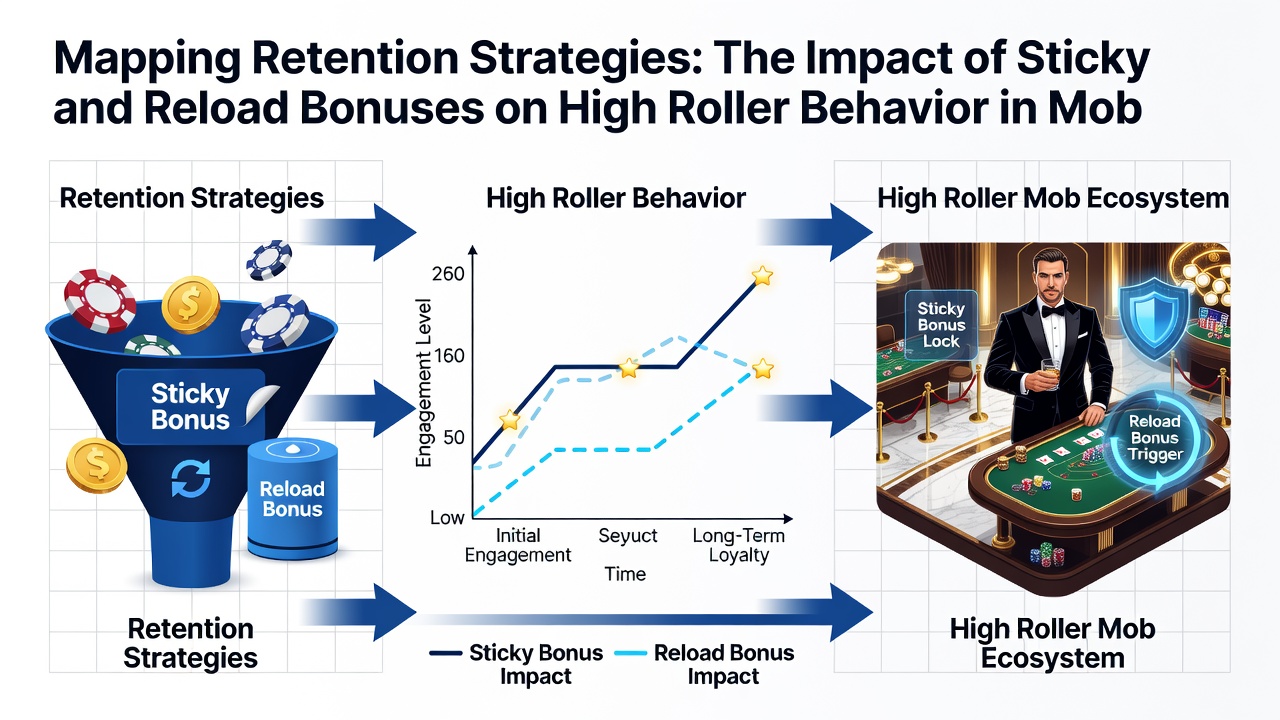
Research conducted by the Canadian Centre for Gaming Research examined transaction records across multiple regulated mobile operators and found that high rollers exposed to reload bonuses exceeding 50 percent of deposit value exhibited a 19 percent increase in weekly deposit frequency over a six-month observation window, although the effect diminished when wagering requirements exceeded 40 times the bonus amount. Observers note that these figures hold across both iOS and Android environments, suggesting the mobile interface itself does not alter the core retention dynamic once the bonus structure is in place.
Operators also monitor churn indicators such as reduced login intervals and declining average bet sizes, applying sticky bonuses as an intervention tool when these signals appear, and the same Canadian study reported that targeted sticky offers reversed churn in 34 percent of identified high-roller cases within the first 14 days of deployment. Regulatory frameworks in several jurisdictions require clear disclosure of bonus terms, which influences how operators communicate these offers through in-app messaging to maintain compliance while sustaining player interest.
Strategic Mapping Across Player Segments
Retention mapping involves segmenting high rollers according to deposit velocity, game preference, and geographic location, then overlaying bonus types that align with each cohort's observed behavior, and this process relies on machine learning models that predict response rates based on historical data sets. Those who have analyzed large-scale mobile datasets indicate that combining a moderate sticky component with a reload match often produces stronger retention than either incentive applied in isolation, particularly when the reload is limited to three qualifying deposits per month to avoid saturation.
European operators have adopted similar segmentation approaches following guidelines from the European Gaming and Betting Association, which emphasize responsible incentive design that avoids encouraging excessive play while still supporting commercial objectives. High rollers located in markets with higher average incomes respond more readily to reload percentages above 75 percent, whereas those in emerging mobile markets show stronger engagement when sticky bonuses carry lower wagering thresholds that allow quicker conversion to withdrawable funds.
Conclusion
Mapping retention strategies through sticky and reload bonuses requires continuous analysis of mobile high-roller behavior, with operators adjusting parameters based on performance metrics gathered across different regions and device types. Evidence from multiple research sources demonstrates measurable effects on account longevity and deposit consistency when these incentives are calibrated to individual spending profiles, and the August 2026 findings underscore the ongoing evolution of these tools within regulated environments. Future refinements will likely incorporate additional variables such as time-of-day preferences and cross-device continuity to further optimize outcomes for both players and platforms.