How Cashback Structures Influence Player Shifts Across UK Mobile Platforms
Devon Vogel · Sep 11, 2026
How Cashback Structures Influence Player Shifts Across UK Mobile Platforms
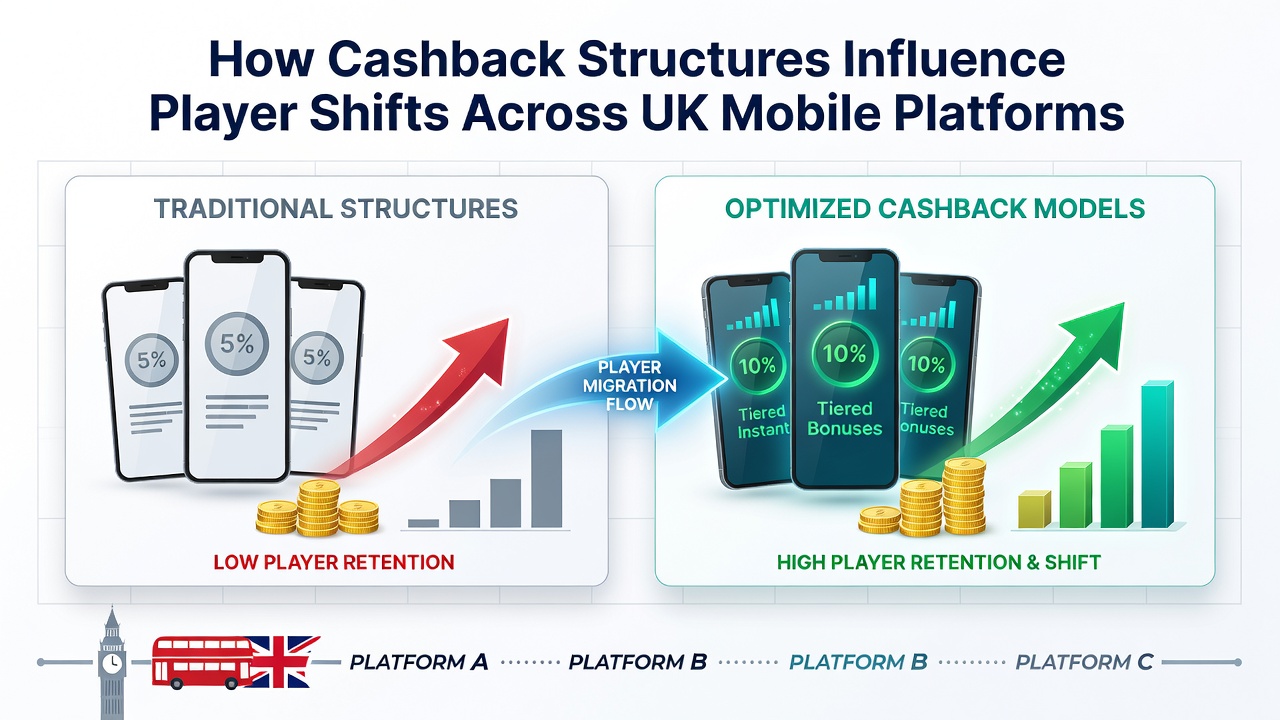
UK mobile platforms have seen cashback programs reshape how players move between operators since the early 2020s, with structures ranging from flat percentage returns on losses to tiered rewards based on weekly activity. These mechanisms tie directly to player retention metrics tracked by industry analysts, and data from multiple European markets shows measurable migration patterns when cashback thresholds or payout frequencies change.
Cashback Models in Use Across Mobile Channels
Operators structure cashback in several distinct formats that affect decision making at different points in a player's session cycle. Percentage-based returns on net losses often apply after a set period, while loss-limit cashback caps the amount returned regardless of total play volume. Some platforms combine cashback with deposit matching elements that activate only after players reach specific activity milestones, creating layered incentives that researchers at academic institutions have linked to extended session lengths.
September 2026 brought updated reporting requirements from several regional oversight bodies that required clearer disclosure of cashback calculation methods, and this transparency shift coincided with observable movement in player bases toward platforms that displayed terms more prominently in their mobile apps.
Player Migration Patterns Tied to Reward Timing
Studies conducted by independent research groups indicate that players respond more readily to cashback credited within 24 hours of a loss period than to delayed weekly or monthly payouts. This timing preference drives short-term platform switches when competing operators advertise faster processing, particularly among those using multiple mobile apps simultaneously. Figures from cross-border iGaming reports reveal that a 10 percent increase in cashback speed correlates with measurable account activity drops on slower-paying sites.
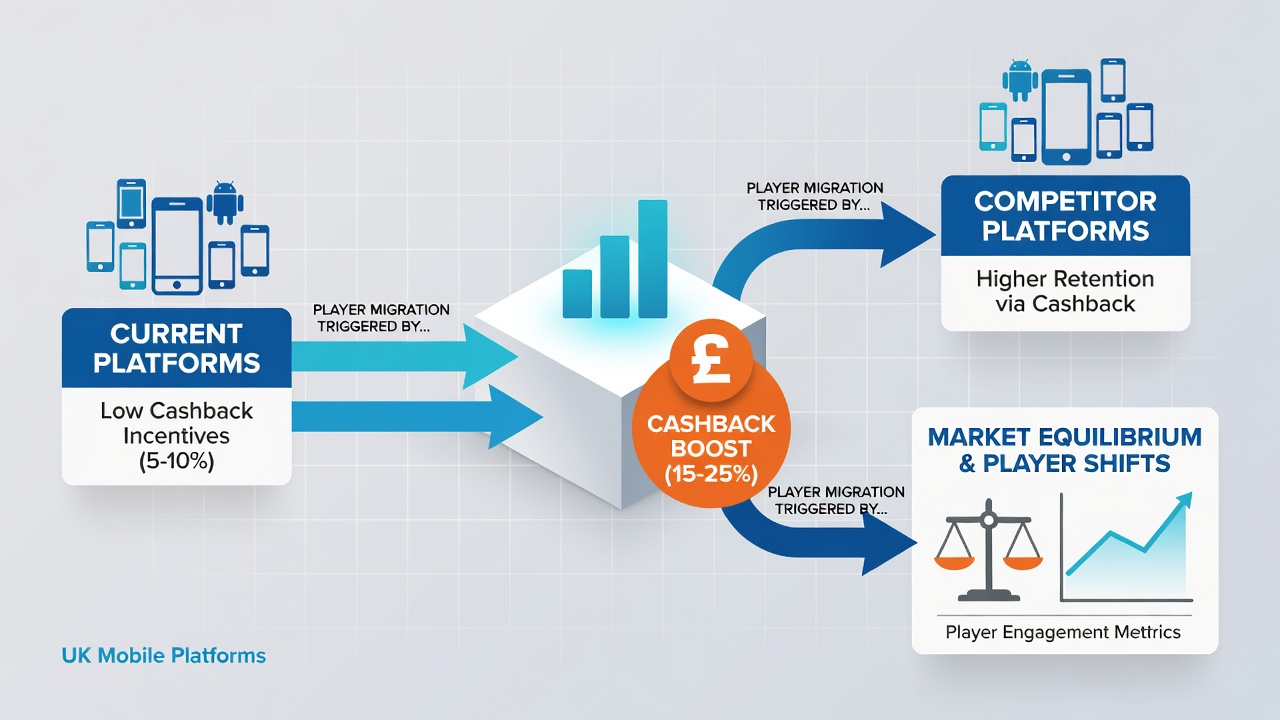
One analysis of transaction logs across several regulated markets found that players who received cashback above a certain percentage threshold demonstrated higher rates of returning to the same platform the following week, whereas lower rates prompted exploration of alternatives within the same device ecosystem. Those who tracked multiple offers often maintained accounts on three or four platforms at once, rotating activity based on which cashback structure offered the most immediate return during a given period.
Regional Comparisons and Cross-Market Data
Reports compiled by the Australian Gambling Research Centre highlight parallels between UK mobile trends and patterns observed in other jurisdictions where cashback visibility influences app downloads and active user counts. Similar findings appear in documentation from the European Gaming and Betting Association, which tracks how reward structures affect player distribution across operators without favoring any single market.
Mobile-specific factors such as push notification delivery of cashback alerts and in-app balance updates amplify these effects, because players receive real-time information that prompts immediate comparison between available offers. Platforms that integrate cashback directly into the main account dashboard see different retention curves than those that require navigation to separate reward sections, according to user behavior datasets reviewed by industry analysts.
Impact on High-Volume Mobile Users
High-volume players often evaluate cashback structures against their expected loss rates before committing sustained activity to one platform. When operators adjust minimum loss requirements or introduce caps on weekly returns, those users frequently redistribute their play across multiple apps to maximize cumulative cashback received. Transaction records examined in academic papers show this redistribution happening within days of policy announcements, especially when competitors promote more favorable terms through targeted mobile campaigns.
Payment method compatibility also plays a role, since cashback credited to certain e-wallets processes faster than bank transfers on some platforms, creating additional incentives for account shifts among users who prioritize liquidity. Observers note that these preferences remain consistent across different device types, though iOS and Android users display slight variations in how quickly they adopt new reward features after updates.
Conclusion
Cashback structures continue to function as active variables in how players allocate time and deposits across UK mobile platforms, with timing, percentage levels, and visibility each contributing measurable effects on account activity and cross-operator movement. Data from multiple sources confirms that adjustments to these programs produce detectable shifts in player distribution, particularly when communicated through mobile-native channels. Ongoing monitoring by research organizations provides further clarity on how these dynamics evolve in response to both operator decisions and regulatory updates.