Exploring Incentive Designs That Encourage Extended Play Sessions on Portable Gambling Devices
Leon Ludwig · Oct 23, 2026
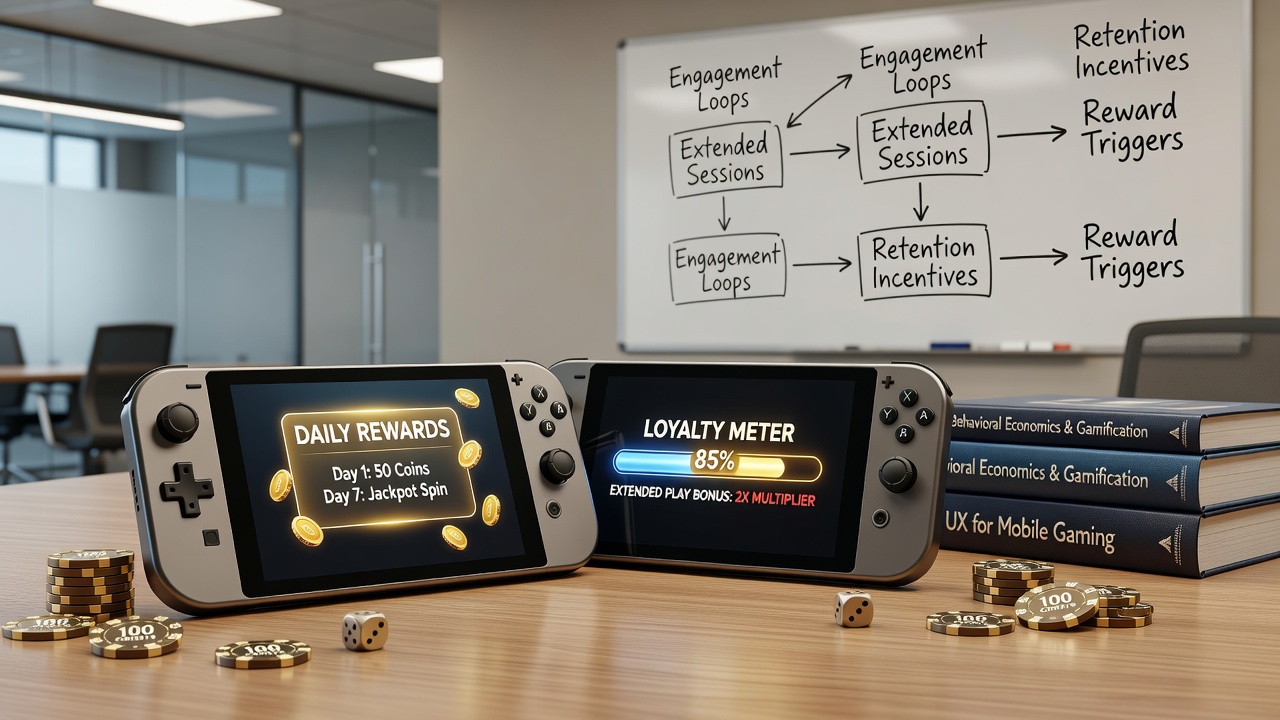
Exploring Incentive Designs That Encourage Extended Play Sessions on Portable Gambling Devices
Portable gambling devices have transformed how players interact with games, and incentive structures play a central role in shaping session lengths across smartphones and tablets. Research from multiple regions shows that layered reward systems, when integrated into mobile platforms, correlate with measurable increases in play duration. Data from industry reports indicate that operators deploy combinations of time-based multipliers, streak achievements, and personalized notifications to maintain engagement without relying solely on traditional deposit matches.
Core Mechanisms Behind Session Extension
Designers often combine immediate feedback loops with progressive unlocks, and these elements work together because players receive small rewards at set intervals while larger goals remain visible on the screen. Studies conducted in North America reveal that applications featuring hourly login streaks see average session times extend by 18 to 25 minutes compared with platforms lacking such features. Observers note that push notifications timed to coincide with near-miss events further encourage continued play, because they remind users of pending rewards that activate only after additional spins or hands.
Another approach involves dynamic difficulty adjustments paired with bonus meters. When a player reaches a threshold of consecutive wins or losses, the system may introduce temporary boosts to return-to-player percentages for limited rounds. Evidence gathered by researchers at the University of Nevada gaming studies program demonstrates that these adjustments keep engagement high during periods when natural drop-off would otherwise occur. Platforms that display the meter prominently on mobile screens report higher completion rates for extended challenges.
Regional Regulatory Influences on Design Choices
Regulations in various jurisdictions shape which incentives appear on portable devices, and October 2026 marked the rollout of updated compliance guidelines in several Canadian provinces that require clear disclosure of session-length mechanics. These rules prompted developers to embed visible timers and spending summaries directly into the interface, allowing users to track elapsed time alongside accumulating rewards. Similar adjustments have appeared in Australian markets, where operators must link bonus activation to responsible play prompts rather than automatic extensions.
Industry groups such as the Australian Gambling Research Centre have published data showing that transparent incentive displays do not reduce overall play duration when the underlying reward structure remains compelling. Instead, the visibility appears to shift player behavior toward more deliberate session planning while still supporting longer total engagement across multiple visits.
Personalization and Data-Driven Adjustments
Mobile platforms collect extensive telemetry on individual patterns, and this information feeds algorithms that tailor incentives in real time. One case involved a European operator that tested cohort-specific multipliers, where players identified as evening users received escalating free rounds after 45 minutes of continuous activity. Results indicated that these targeted offers increased average session length by nearly 30 percent within the tested group, while control cohorts without personalization showed minimal change.
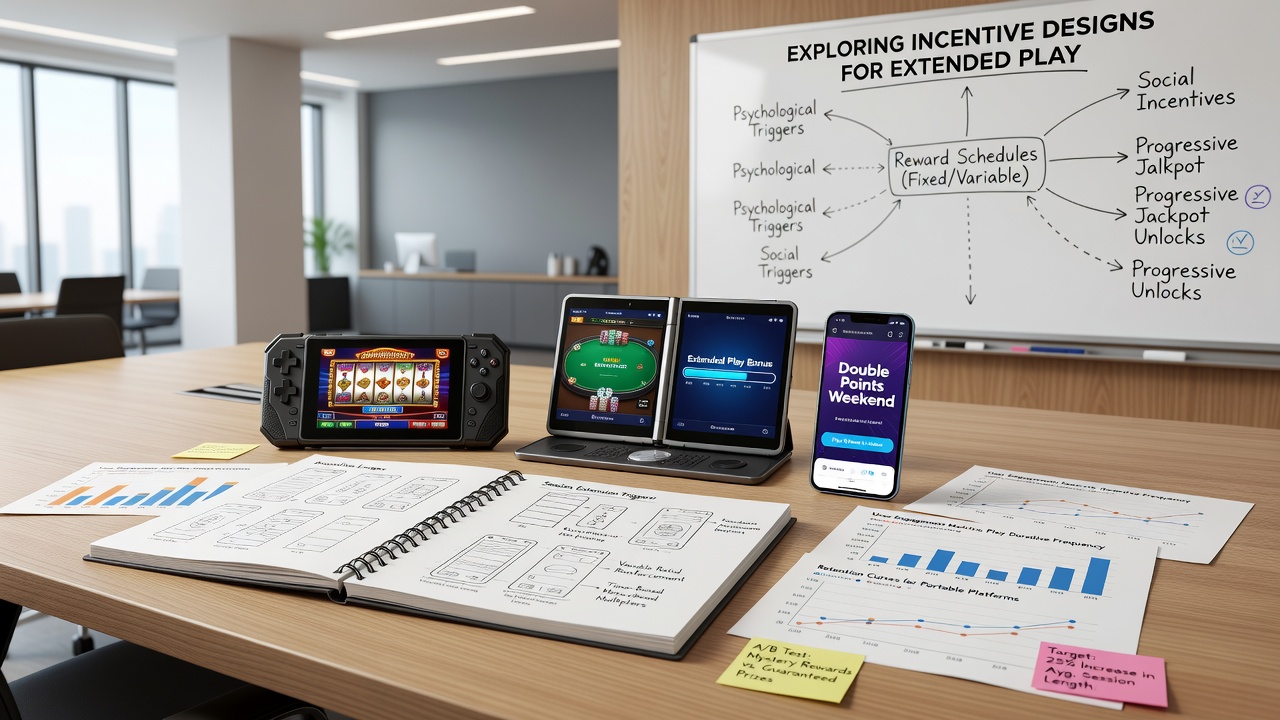
Cross-device synchronization further supports extended play because progress carries over when a user switches from phone to tablet. Data compiled by the National Council on Problem Gambling indicates that seamless continuity reduces friction and correlates with fewer early exits from sessions. Developers achieve this through cloud-based account systems that preserve bonus status regardless of the hardware in use.
Balancing Retention With Compliance Requirements
Operators must navigate limits on how aggressively incentives can push continued play, particularly when portable devices allow access at any hour. In October 2026 several jurisdictions began requiring mandatory cool-down prompts after two consecutive hours of activity, yet early figures suggest these interventions have limited impact on total daily play time when rewards are structured to resume after the pause. The key lies in designing the break as part of the incentive cycle rather than an abrupt stop.
Take one North American platform that introduced achievement badges tied to weekly play goals; users who paused and returned later received bonus credits that offset the interruption. Retention metrics remained stable, according to internal reports shared with academic partners. This approach illustrates how compliance features can integrate into the same architecture that encourages longer individual sessions.
Conclusion
Incentive designs on portable gambling devices continue to evolve through combinations of immediate feedback, progressive rewards, and data-informed personalization. Regional regulations influence presentation and timing, yet available evidence shows that carefully calibrated systems sustain extended engagement across markets. Future developments will likely refine how these mechanics interact with device-specific interfaces while maintaining adherence to emerging compliance standards.